


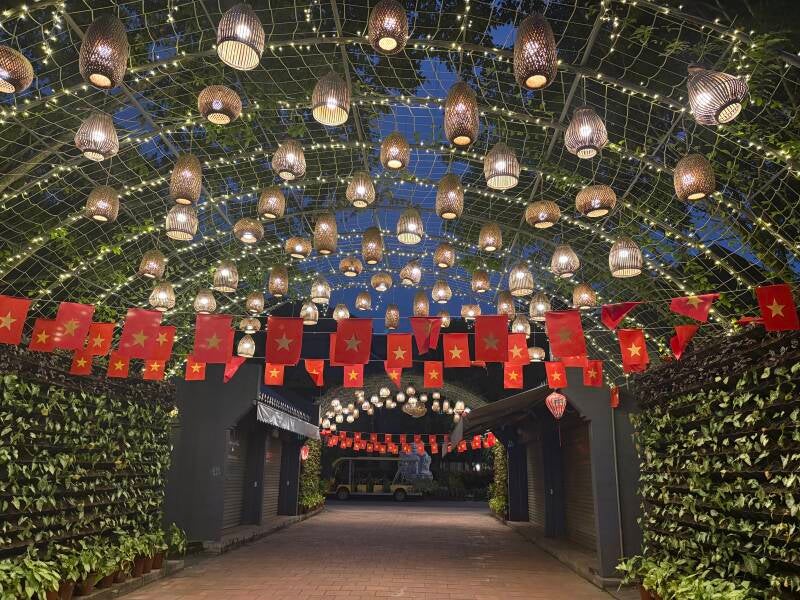
Vietnam. In many ways the antithesis of Japan: noisy, chaotic, grimy, yet bursting with character and charm. We chose to spend the entire month in the north, favouring slow travel and neatly sidestepping typhoon season.
From sipping egg coffee in Hanoi to getting knee‑deep in jungle mud in Pu Luong, and kayaking among the karsts of Cat Ba, our time in Vietnam became a patchwork of adventure, culture, and the occasional “why are we doing this??” moment. Here’s how it all unfolded.
Hanoi: Egg Coffee, Street Food, and a Haircut Adventure
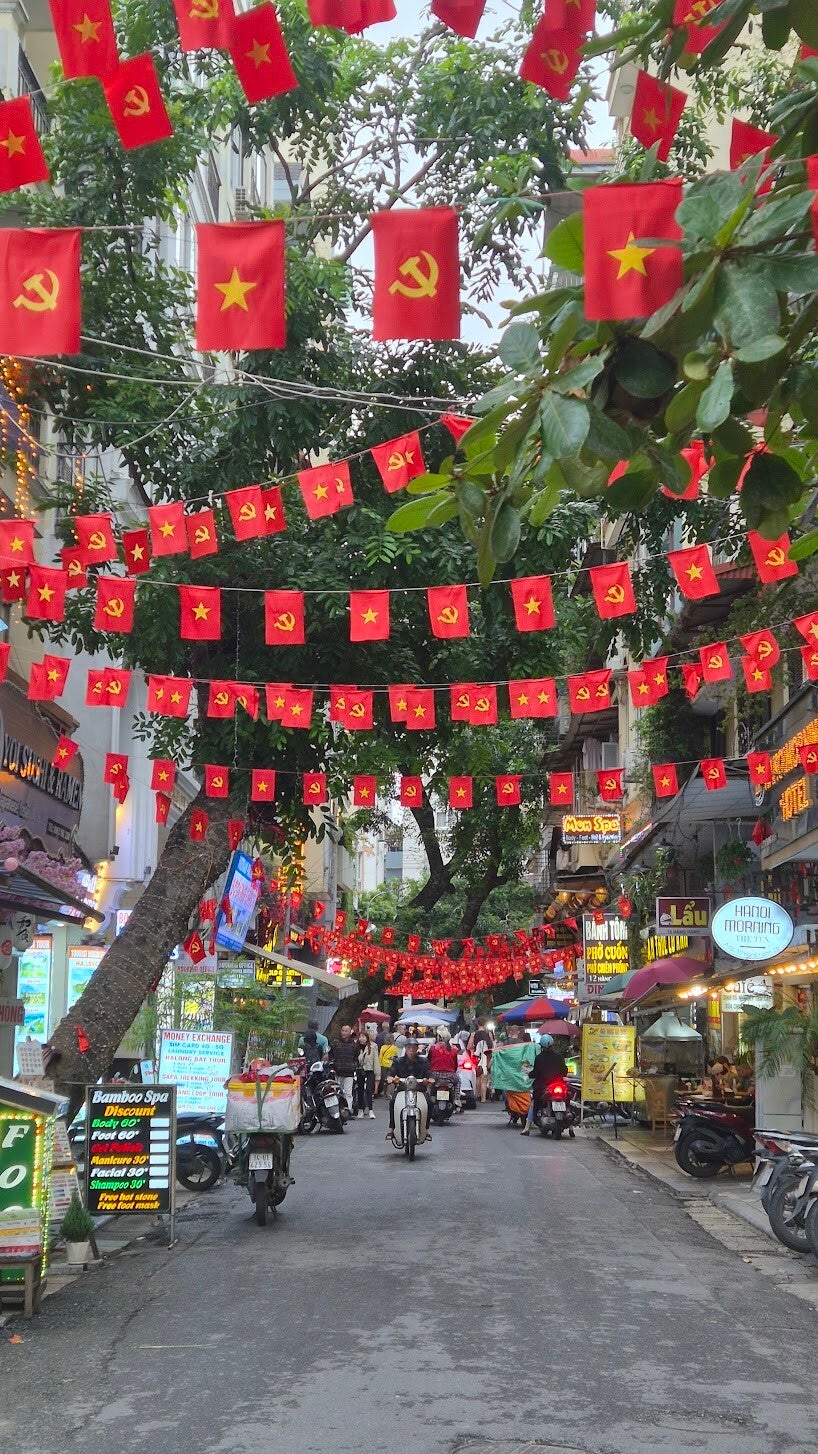
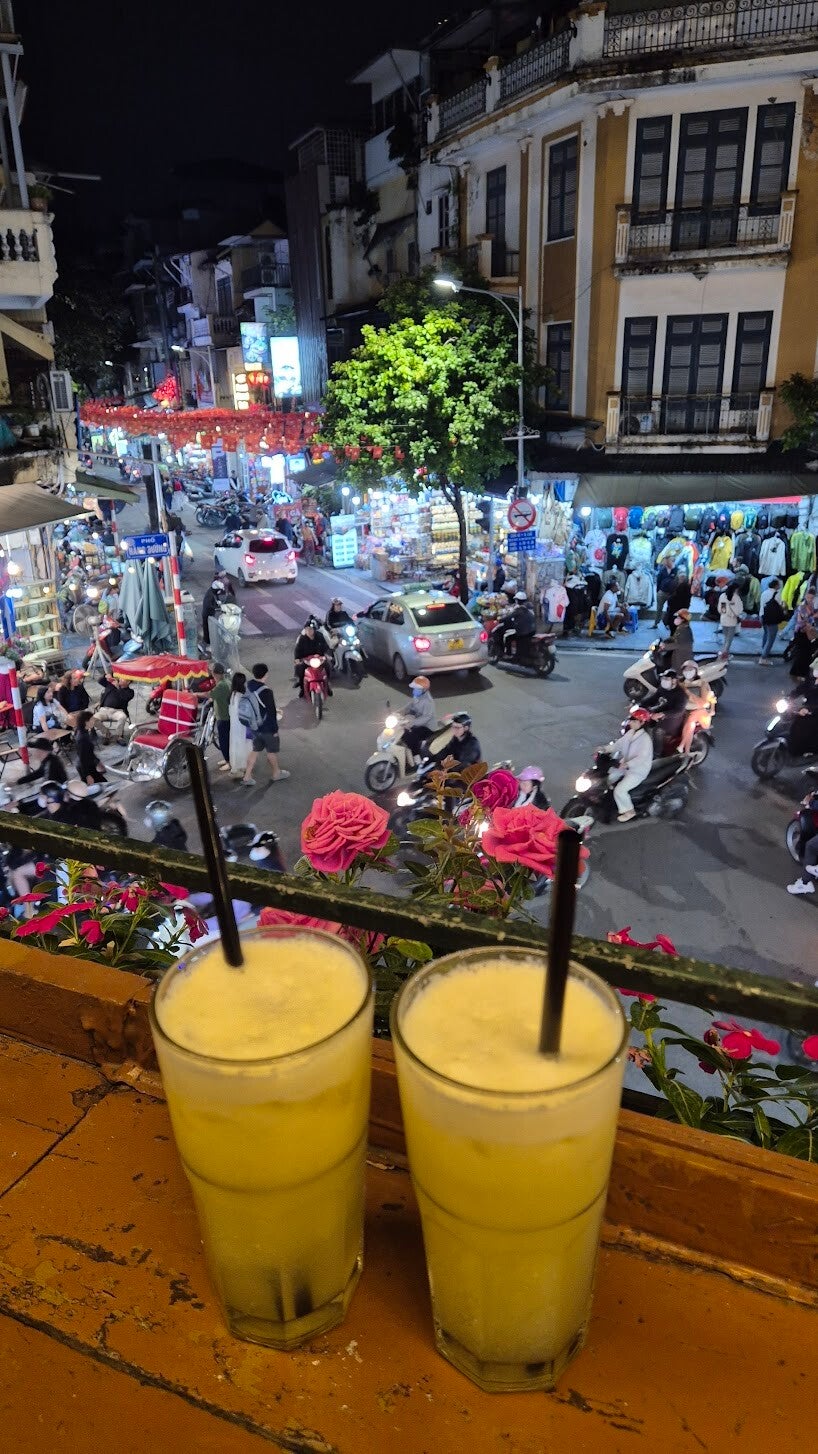
Our Vietnamese odyssey began in Hanoi, a city that hums with scooters, laughter, and the scent of sizzling street food. Staying in the Old Quarter put us at the epicentre of the madness. Challenge number one: finding the alley containing our accommodation. Challenge number two: crossing the road to reach it. I quickly learned that pedestrian crossings are more of a suggestion than a rule.
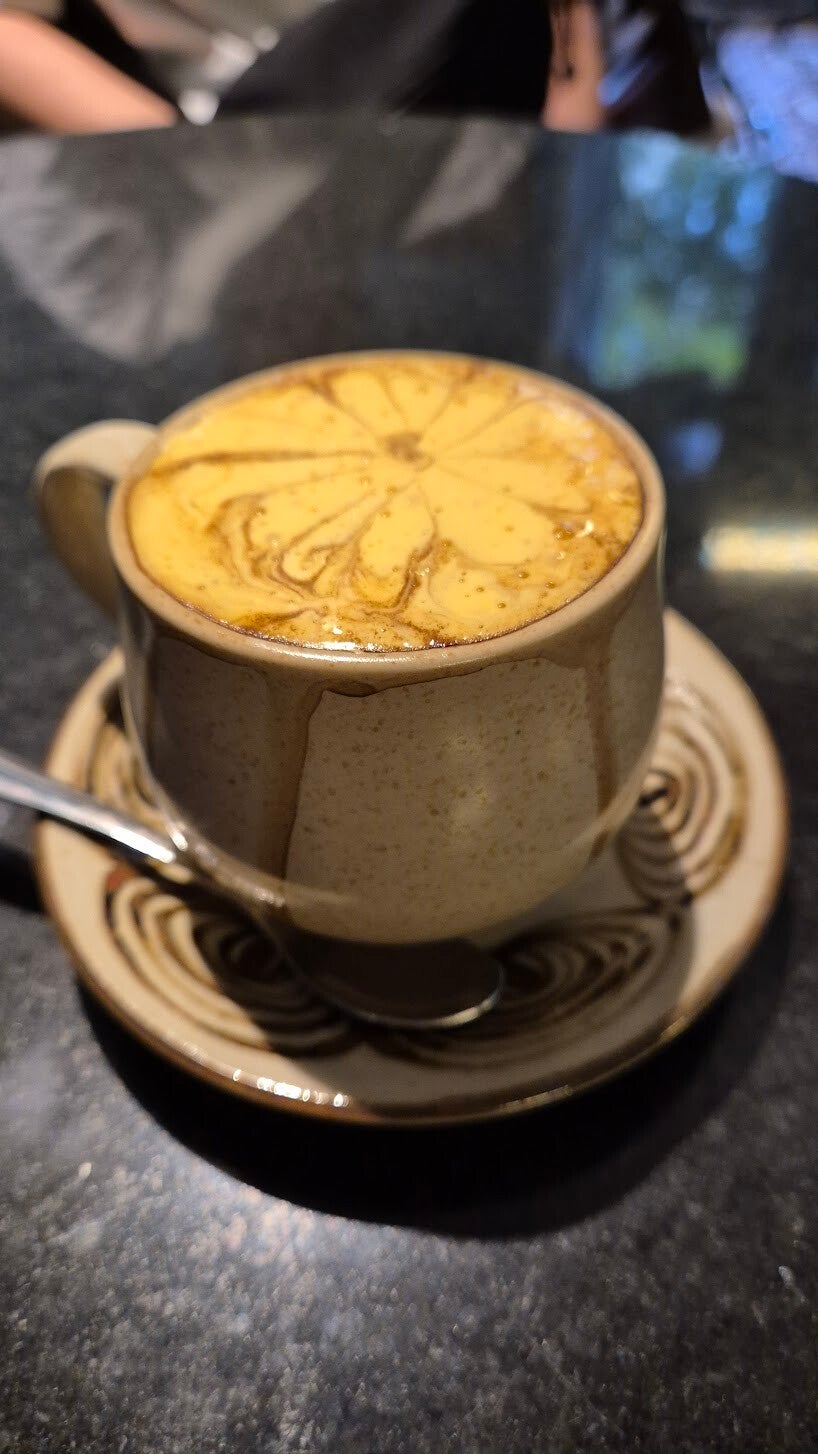
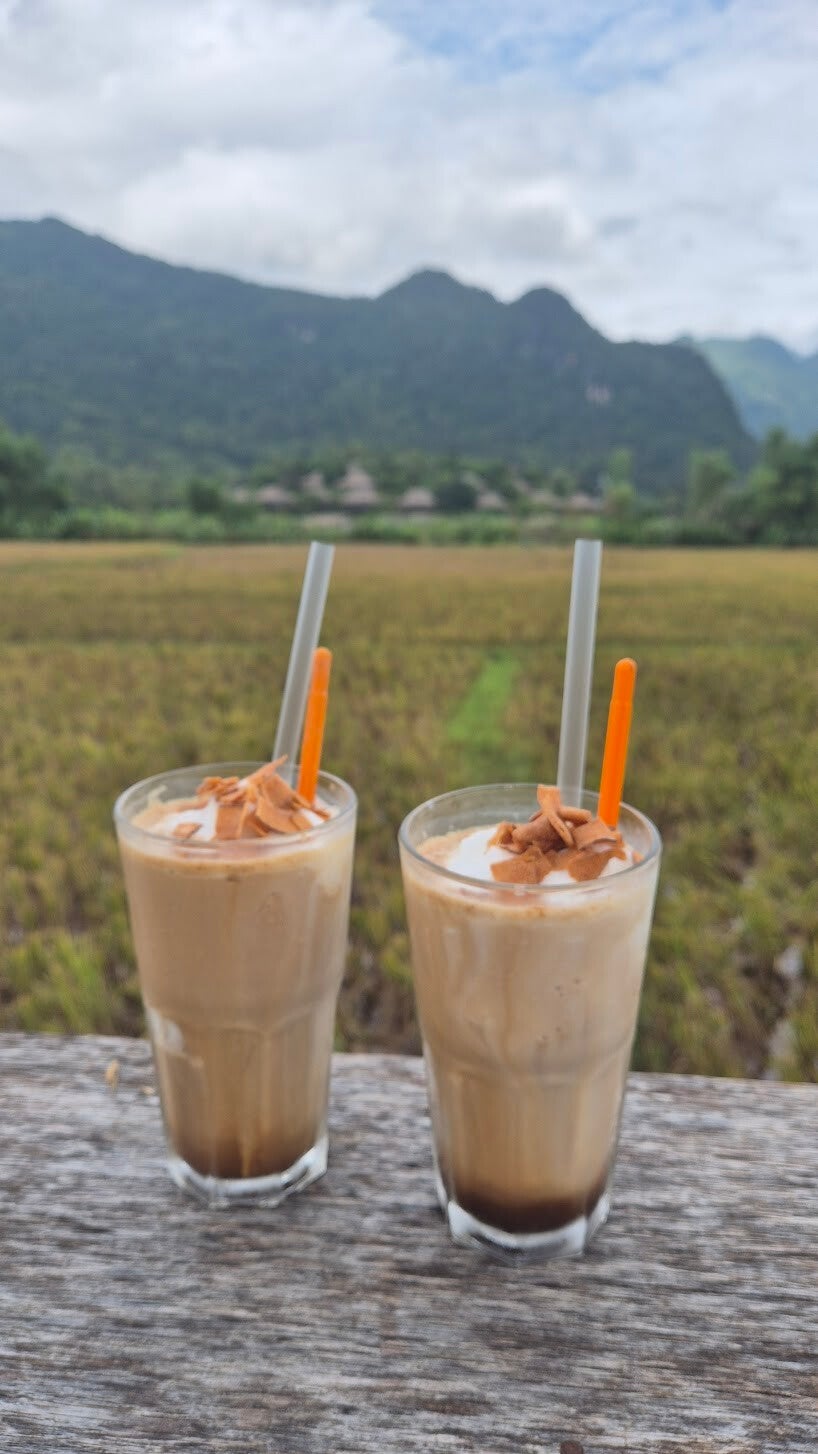
Food was an immediate highlight. We headed straight for a vegetarian restaurant we’d researched and were thrilled to choose freely from an entire menu. It quickly became our go‑to spot, with the vegan pho standing out as exceptional. The true revelation, though, was egg coffee: creamy, sweet, and dessert‑like. If you try just one thing in Hanoi, make it this.
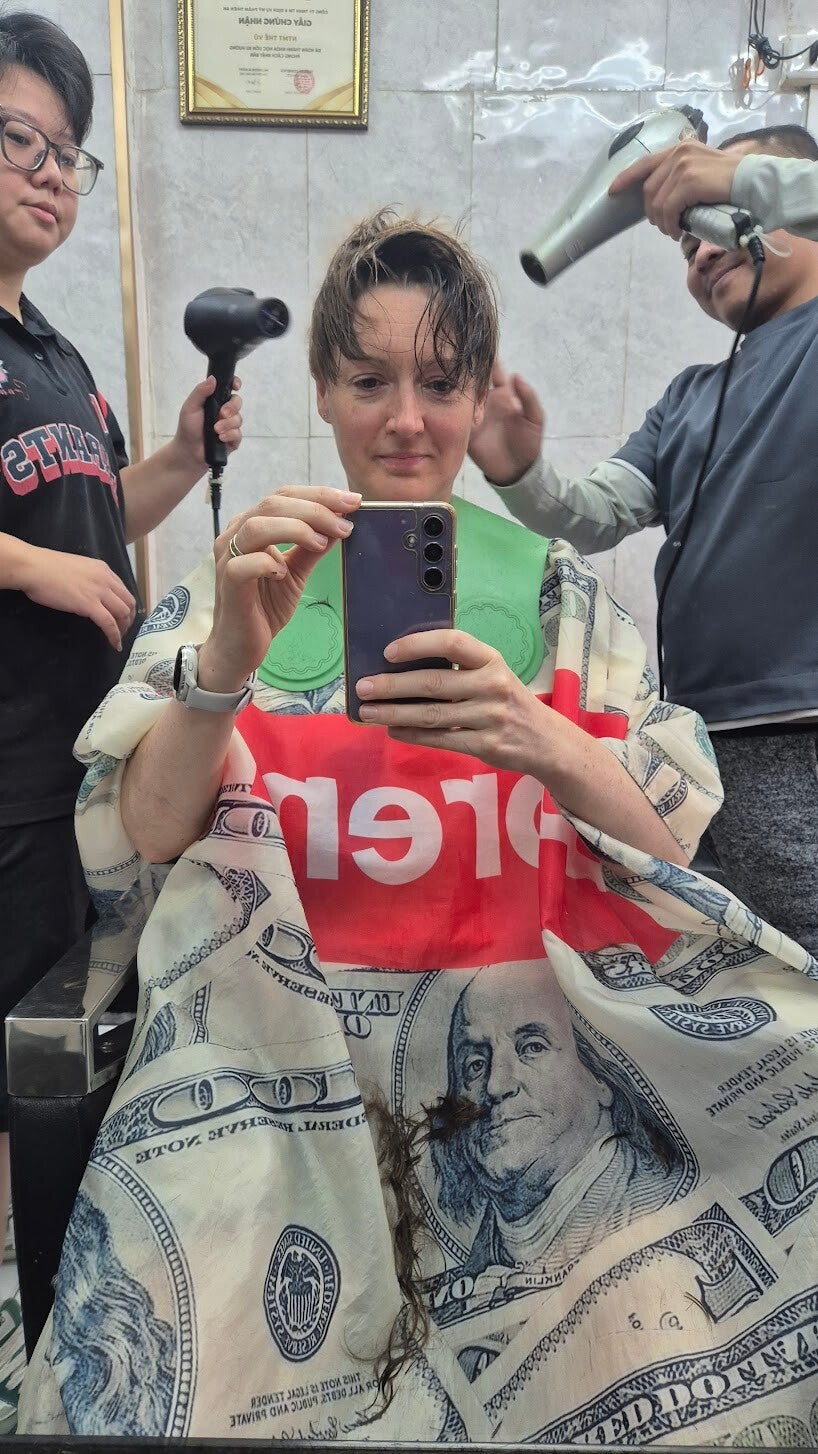
I also braved a much‑needed haircut. The experience was unexpectedly intense: a 20‑minute shampoo, meticulous attention to my reference photo, and one slightly alarming moment when a razor blade was applied to my facial peach fuzz (let’s hope that doesn’t grow back stubbly). The request for photos, and fellow customers admiring my new look, added an extra layer of awkwardness.
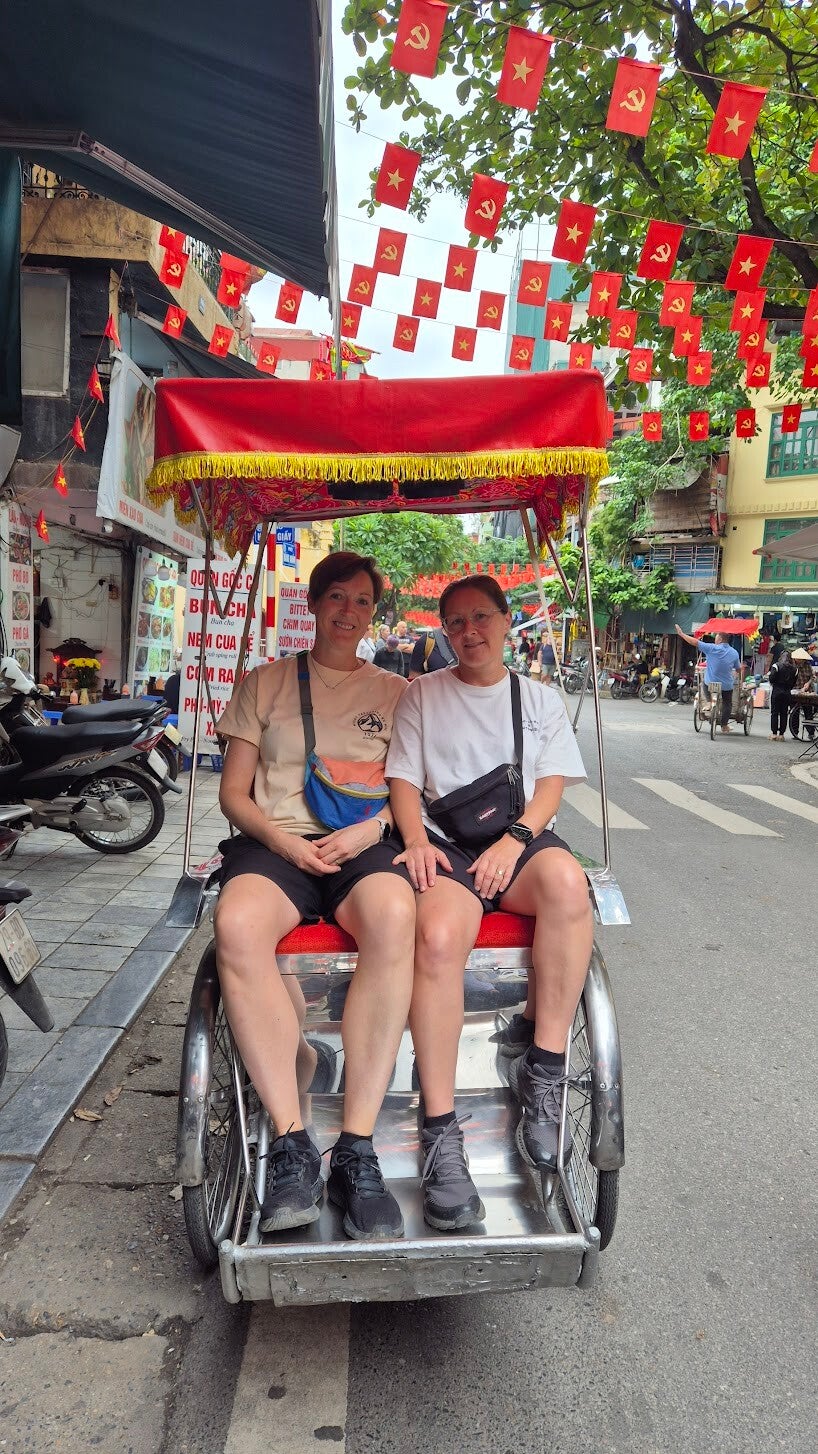
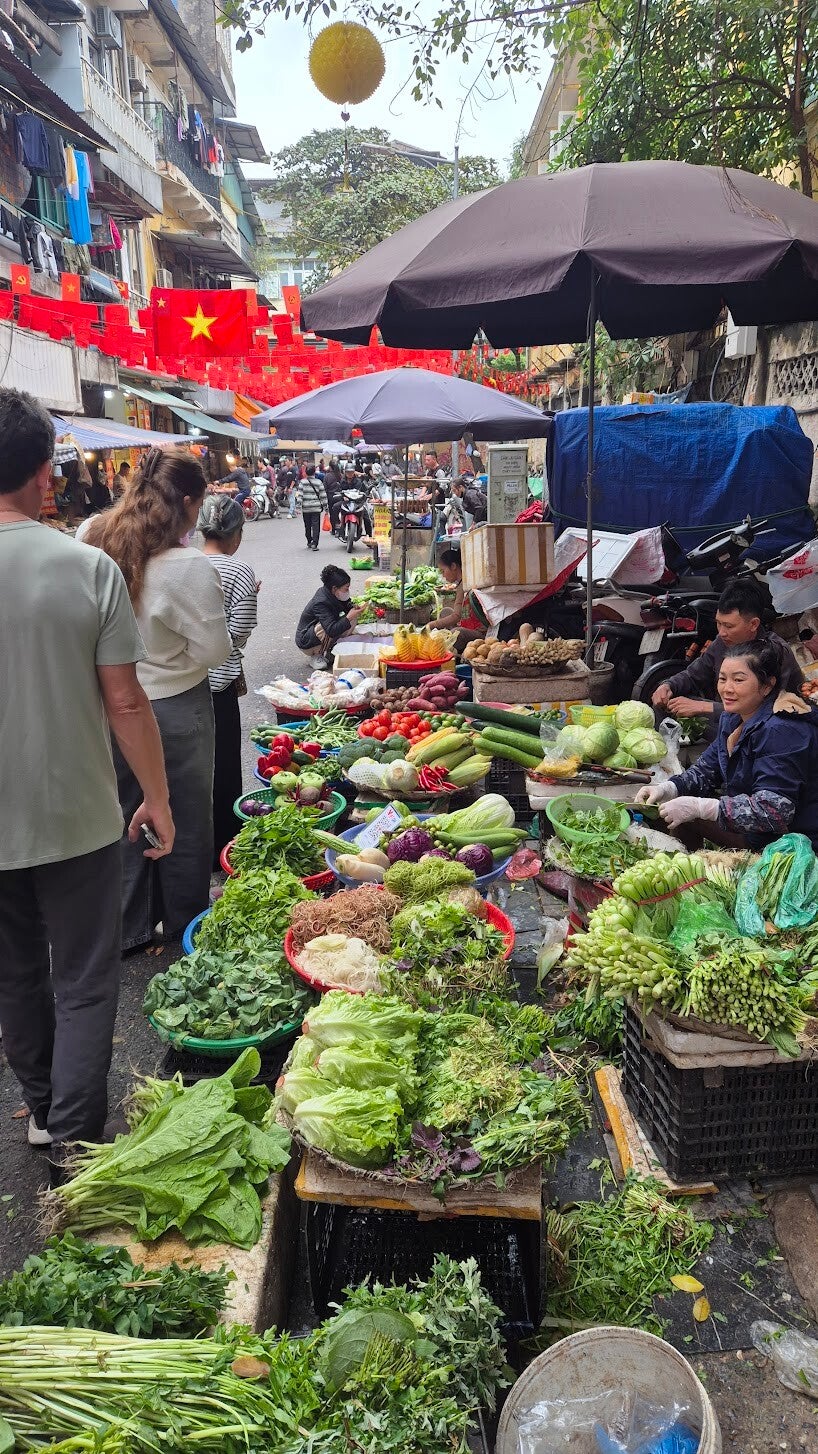
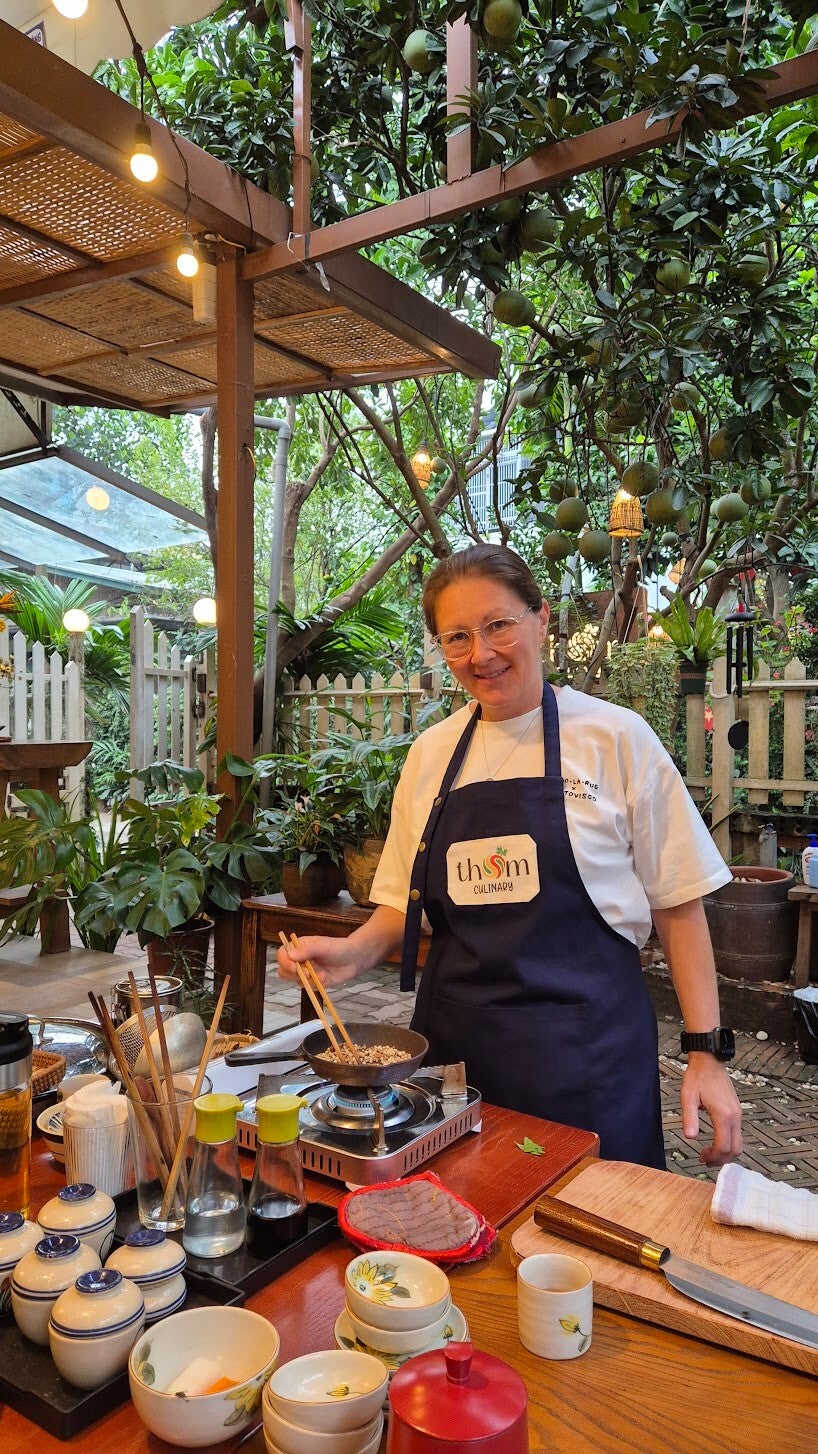
We joined a Vietnamese cooking class, which turned out to be one of our favourite experiences. Collected by cyclo, we were whisked through the Old Quarter to a local market where our tutor explained produce and etiquette amid the sensory overload of raw meat, fish, and live animals on display. At the culinary school, set within a gated community, we picked herbs from the garden and prepared dishes that ended up being some of the best food we ate in Vietnam. Beyond the recipes, we learned about the rhythm of Vietnamese home life: long preparation as time for family connection, followed by quick cooking to minimise heat in a hot, humid climate.

If You Go: Hanoi
- Accomodation: Stay in the Old Quarter for atmosphere but expect noise & chaos.
- Cooking Class: Book one that includes a market trip for cultural context.
- Best Egg Coffee: Loading T (a little tricky to find but so worth it).
Mai Chau: Ecolodge Retreats and Rainy Reflections
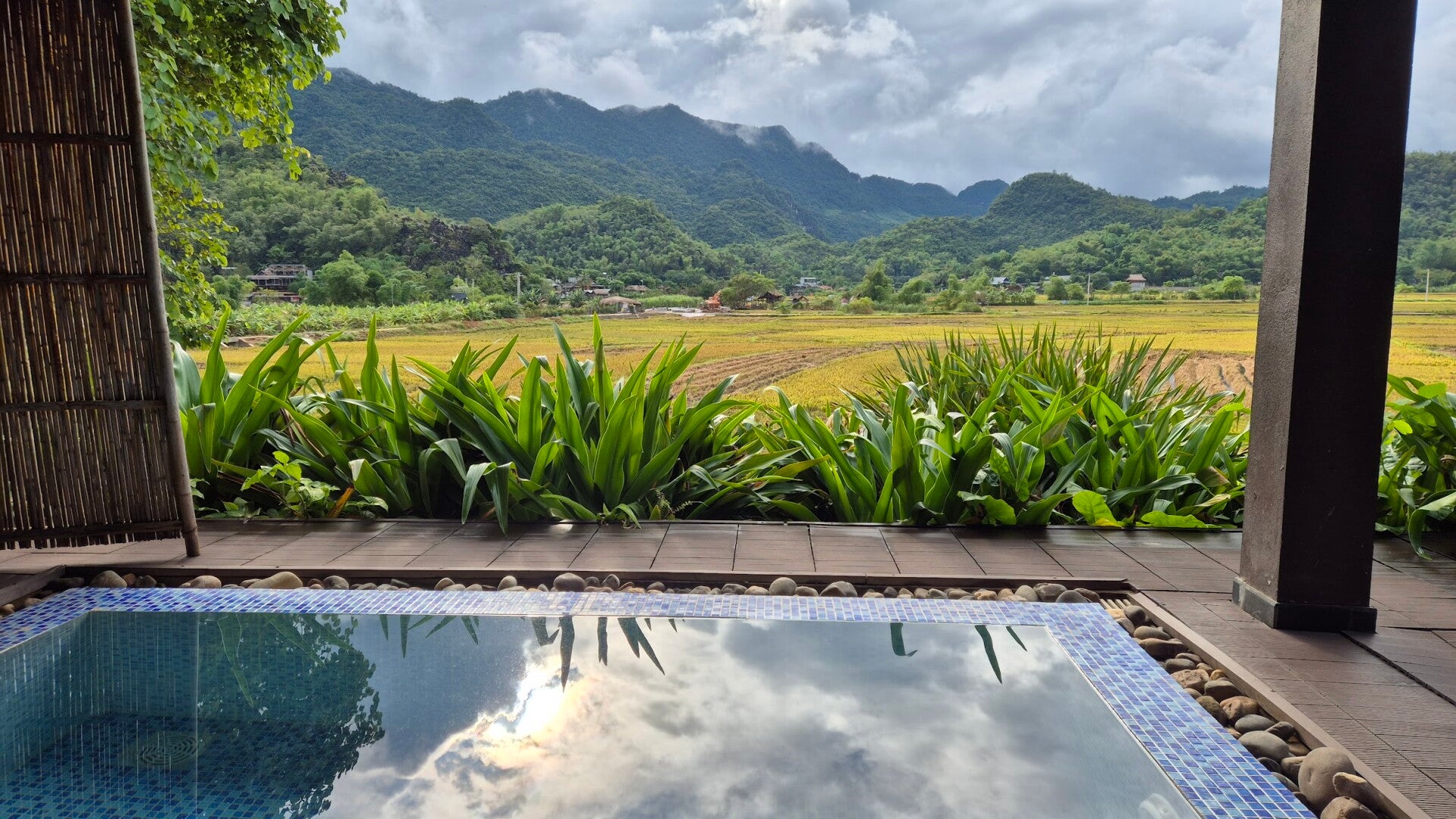
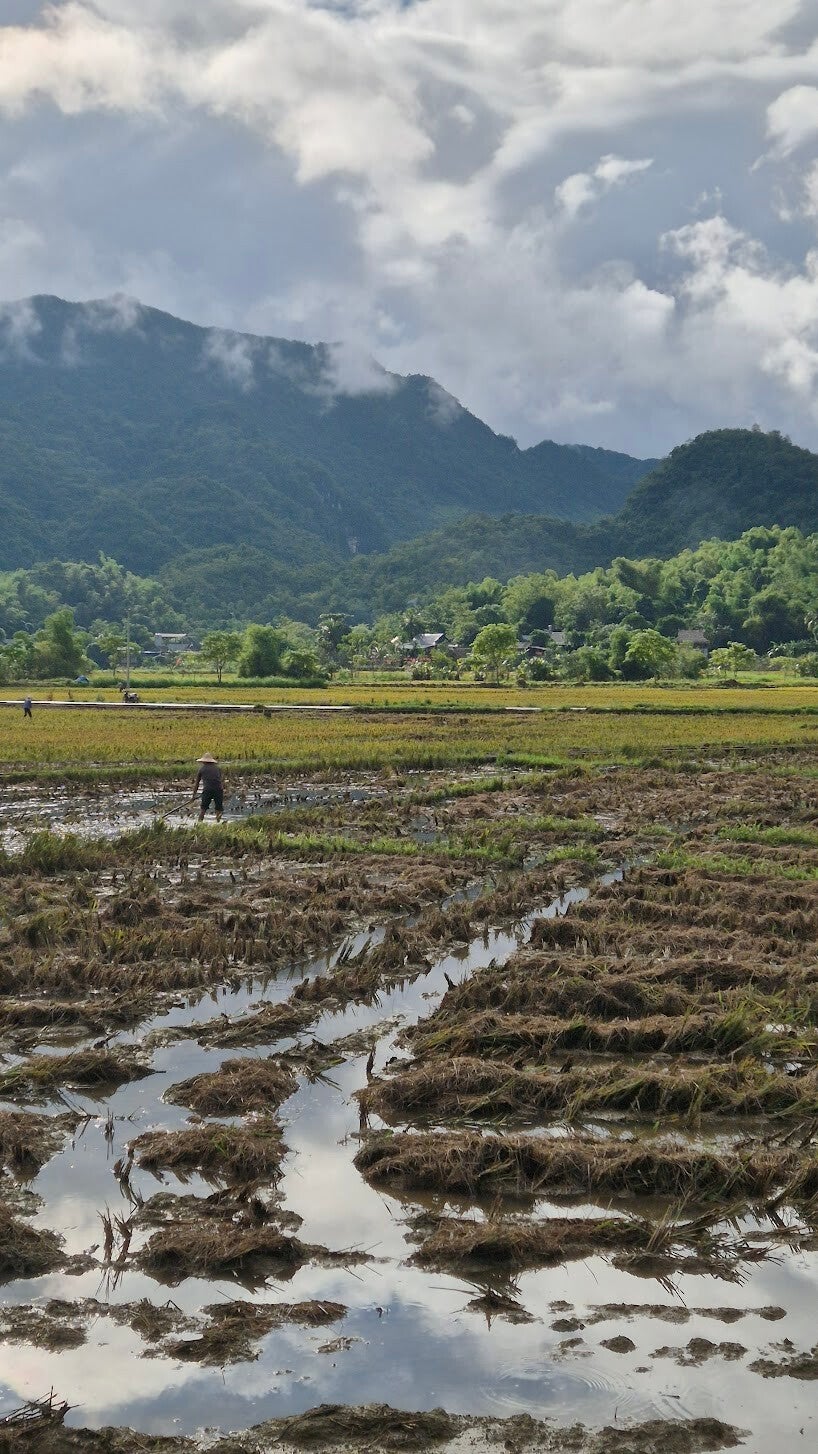
After Hanoi’s intensity, we boarded our first Vietnamese ‘limo service’ and escaped to Mai Chau for a week at an ecolodge surrounded by rice paddies and misty hills. Farming equipment blocked the road near the end, meaning we walked the final stretch to our lodge, thankfully short and still in daylight.
Rain fell most days, transforming the landscape into something moody and remote. Rather than fight it, we slowed right down: catching up on sleep, blogging, and revisiting our financial plans for the future. Some of the quietest, rainiest days become the most memorable.
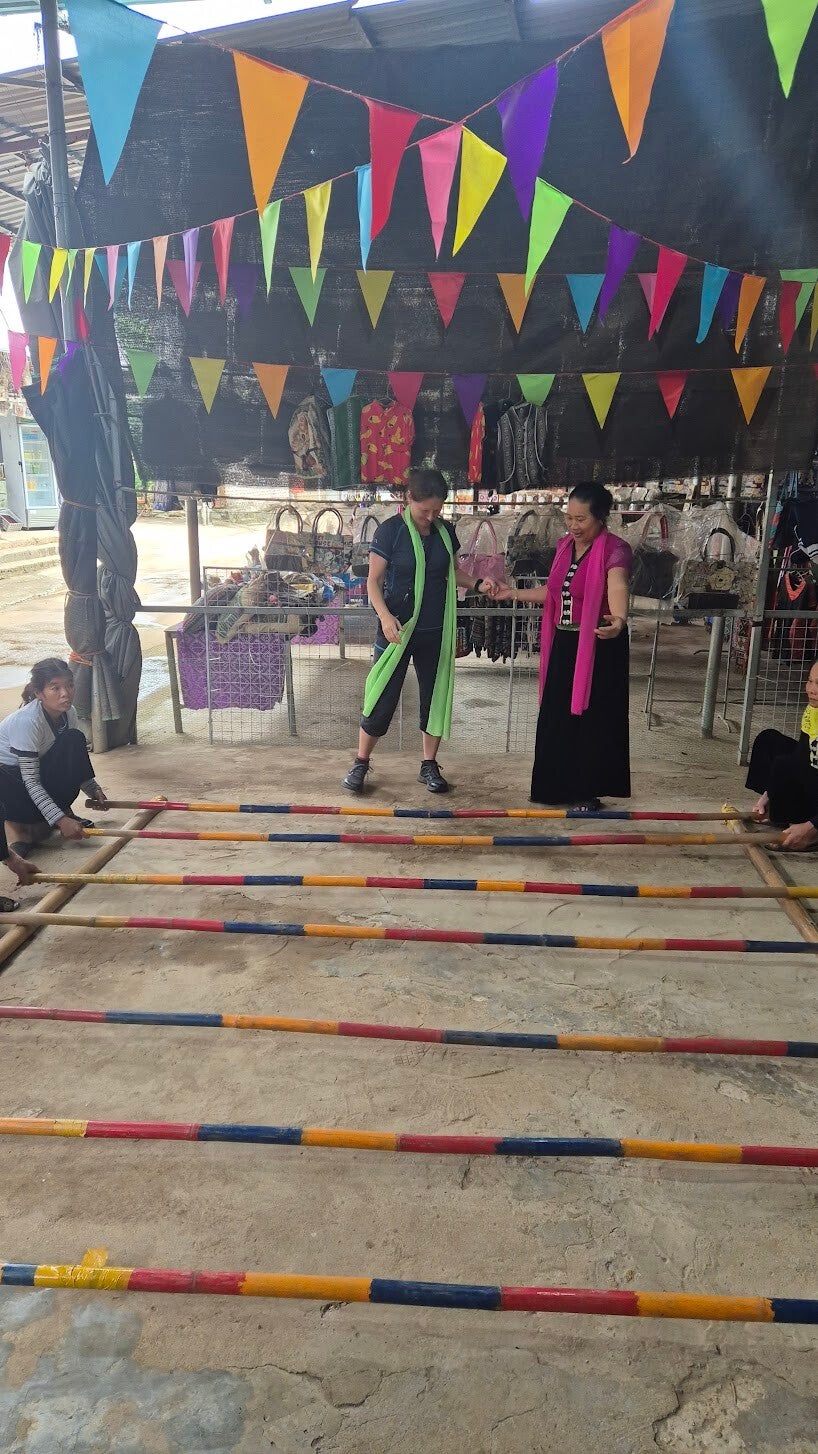
We explored nearby villages and were once roped into bamboo dancing with local women. Despite a complete lack of shared language, we grasped the basics, laughed our way through it, and recovered with tea and sweet potato while attempting some Vietnamese, to great local amusement.
Life in Mai Chau felt markedly different. Tourism infrastructure is minimal, with many homes operating as infrequently occupied homestays. People work the land, sell produce locally, and prioritise family above all else. It seems simpler, though undeniably hard, with long days of physical graft just to make ends meet.


If You Go: Mai Chau
- Accomodation: Choose a homestay for a more authentic experience or the Ecolodge for a bit more luxury.
- Getting around: Explore the villages by bike and be open to spontaneous interactions.
- Gear: Pack for rain even if visiting in the dry season.
Pu Luong: Into the Jungle (and the Leeches)
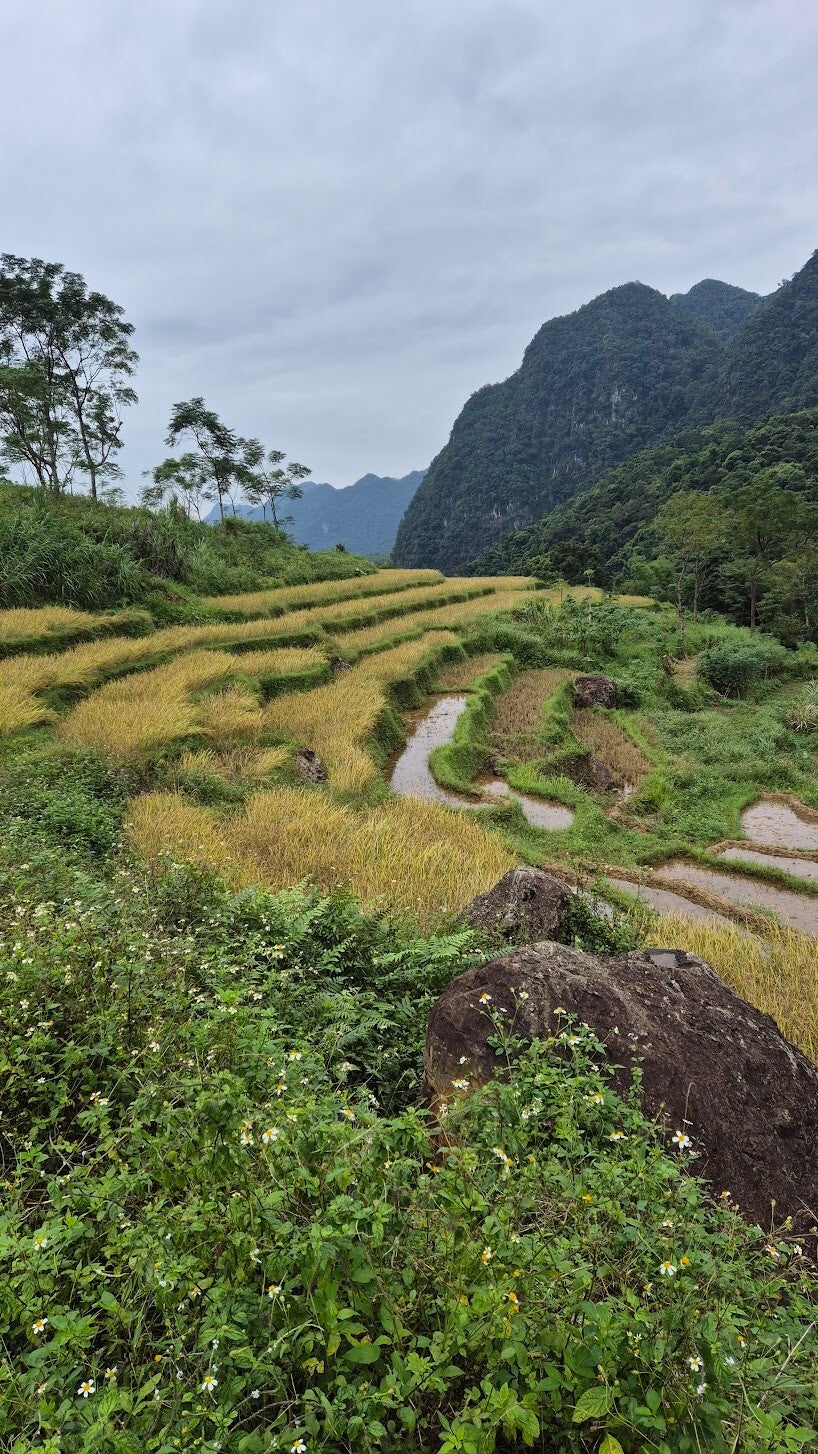
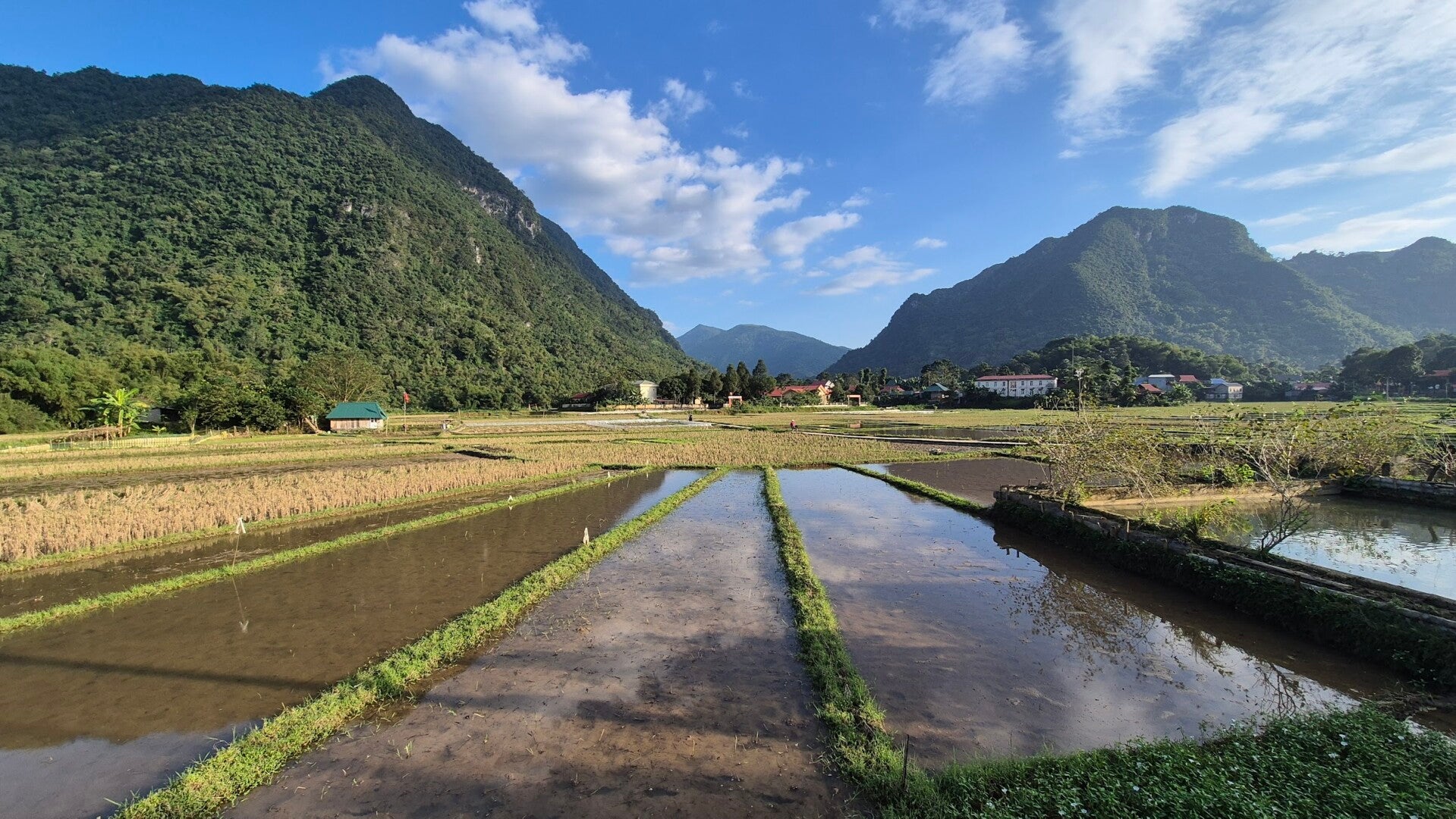
Next came a three‑day, two‑night jungle trek in Pu Luong National Park. Our young guide, Tiep, collected us and delivered us deep into a landscape that felt truly remote: no phone signal, just birdsong, squelching mud, and occasional blasts of Vietnamese dance music drifting from tiny farm villages. We passed locals clearing roads, tending rice fields, and slaughtering livestock, worlds away from our usual routines of meetings and spreadsheets.
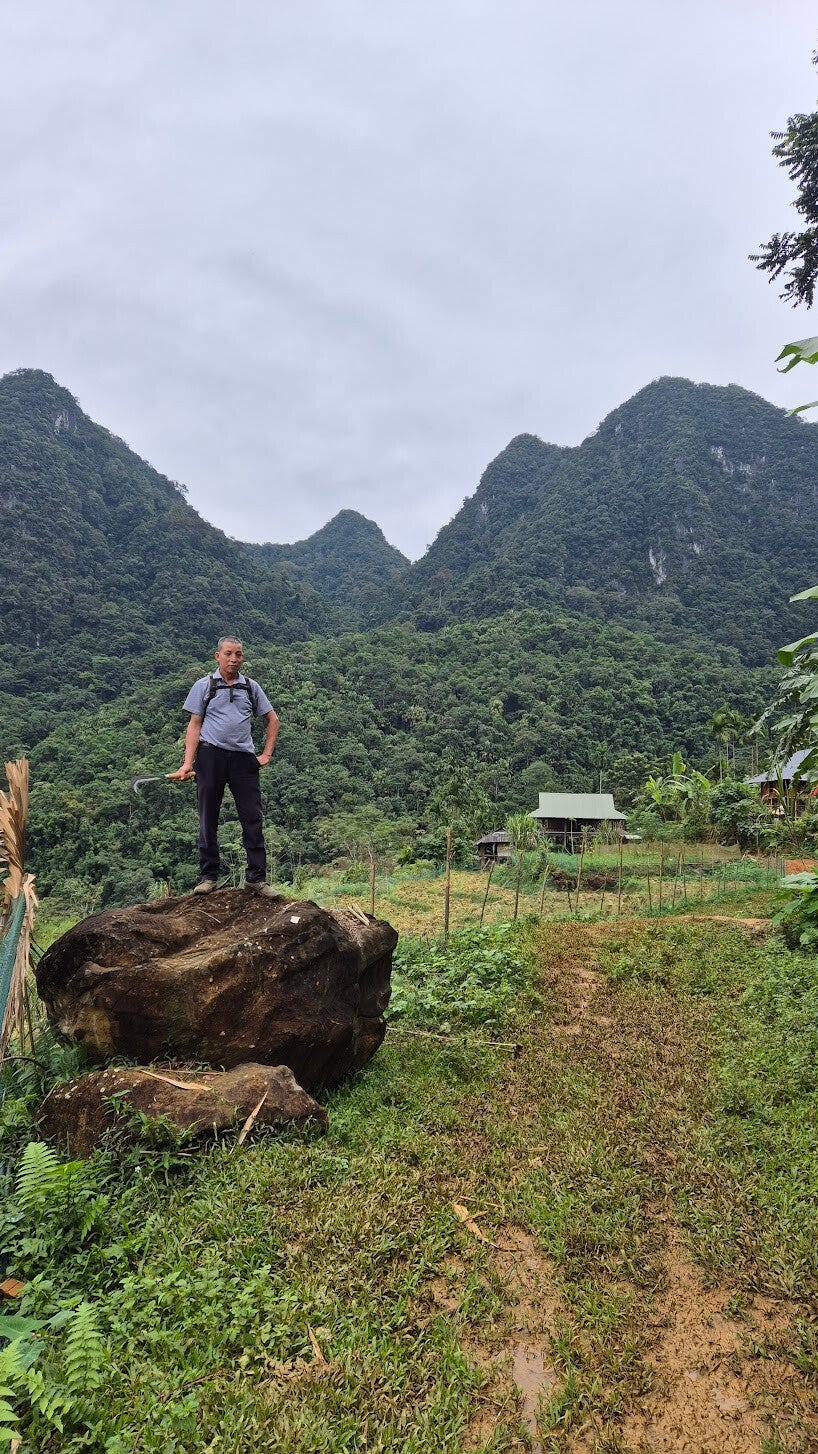
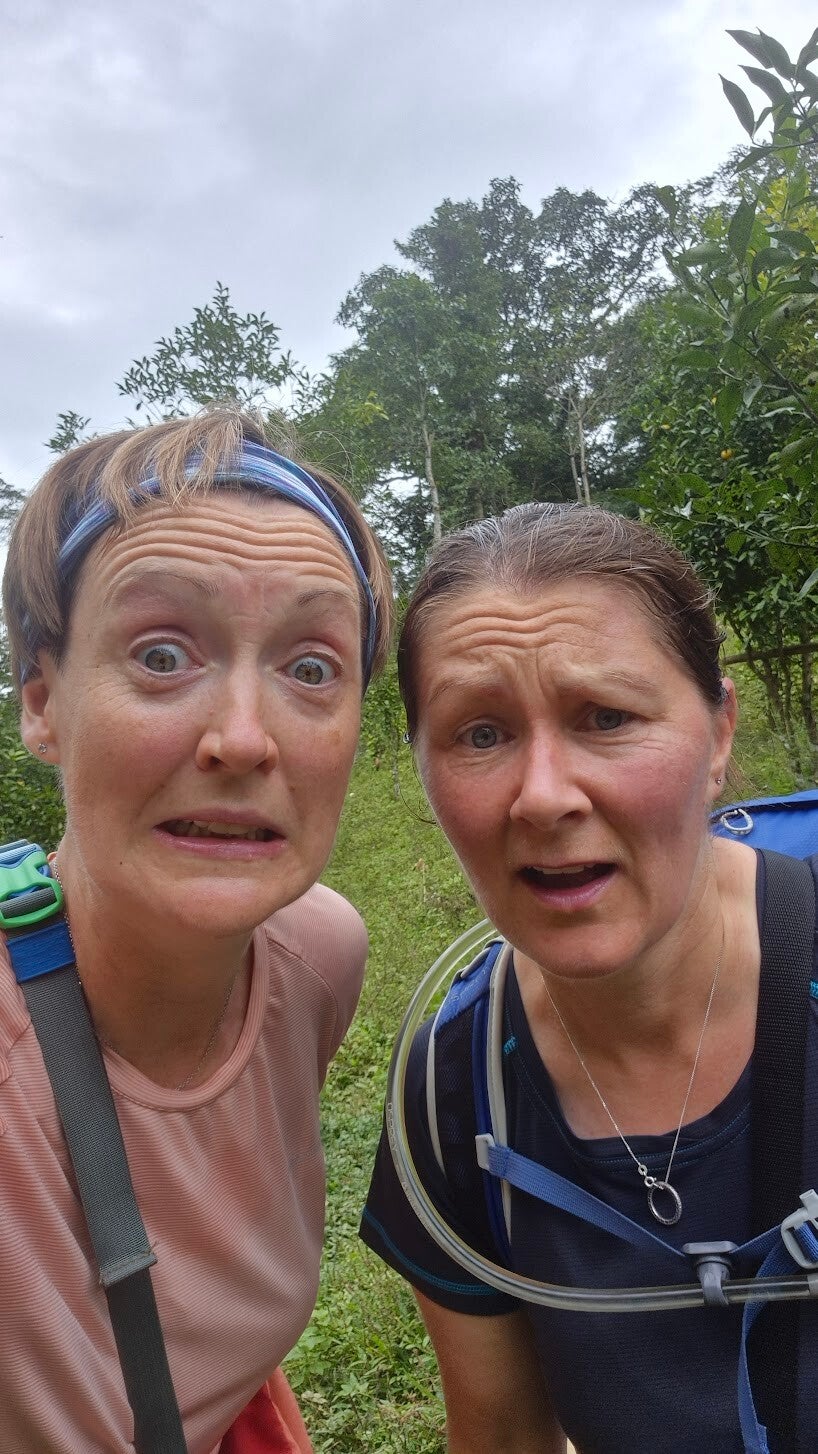
Tiep was joined by an older companion we nicknamed ‘machete man’. His blade turned out not to be decorative but essential for hacking through overgrown, leech‑infested jungle. We alternated between running through dense, humid greenery and stopping to hastily remove leeches from our boots. After what felt like an eternity (probably 20 minutes), we emerged into open space, breathless and united in the same thought: why exactly are we doing this?
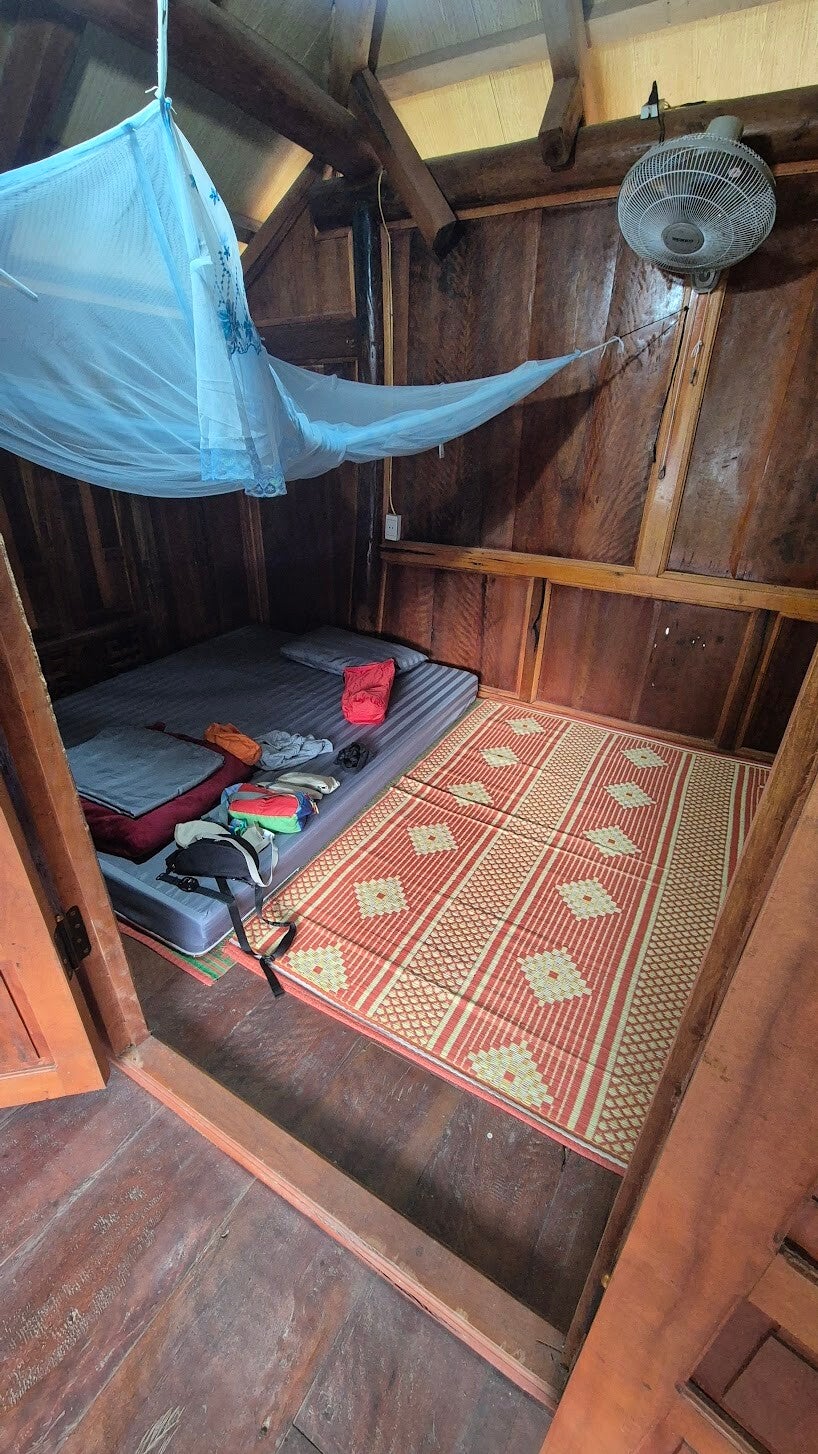
Several hours later we reached Chom Lan village and our homestay. Basic accommodation pushed us well outside our comfort zone, especially when Lee Ann spotted a creature later confirmed to be a dog‑eating spider. Dinner with the family was delicious, though we politely declined their generous offers of ‘happy water’.
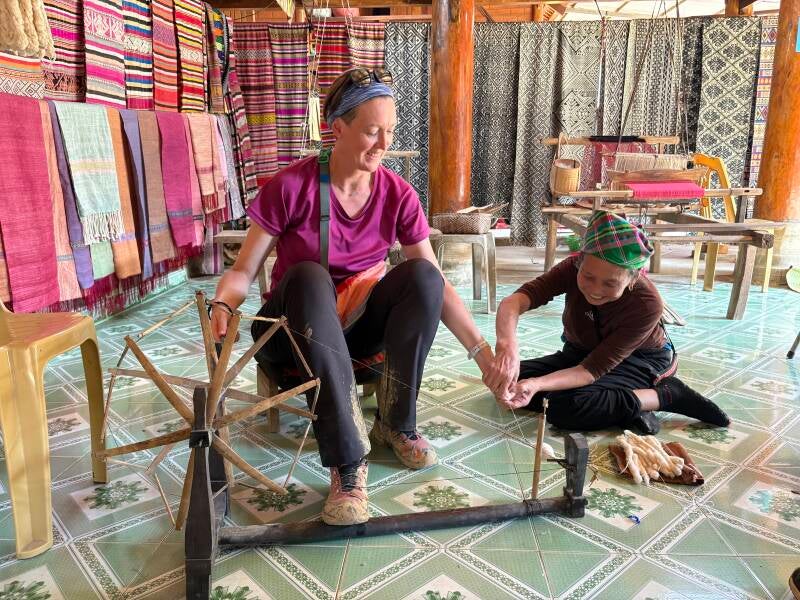
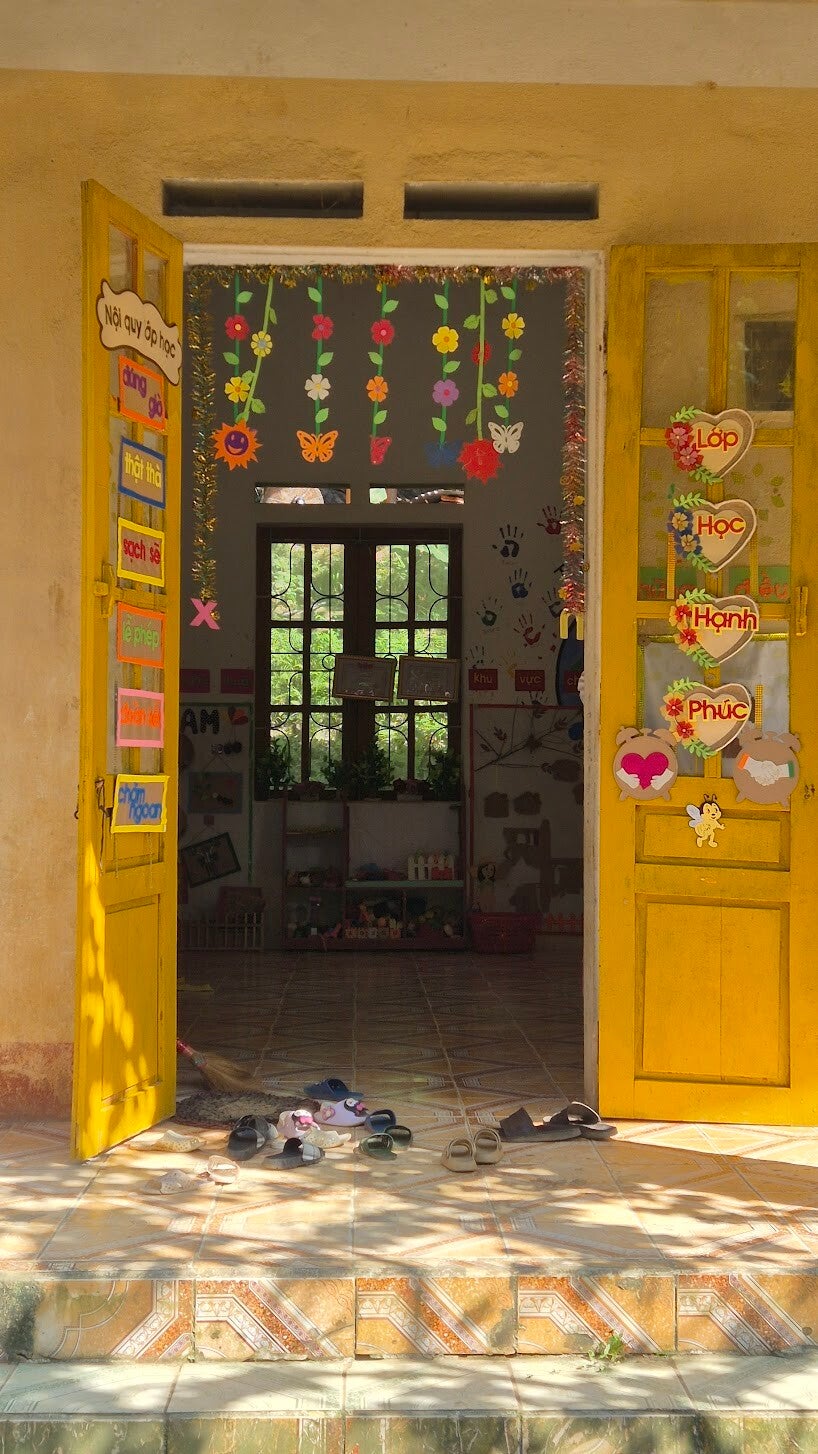
Day two brought more jungle. Tiep promised no leeches, but instead we detoured around a burning bee’s nest, during which he casually mentioned his allergy to bee stings. Reassuring. The afternoon was calmer: learning traditional weaving with a local woman, followed by trekking through more sleepy villages to our riverside accommodation. School children revelled in saying hello and waving frantically at the strange foreigners.
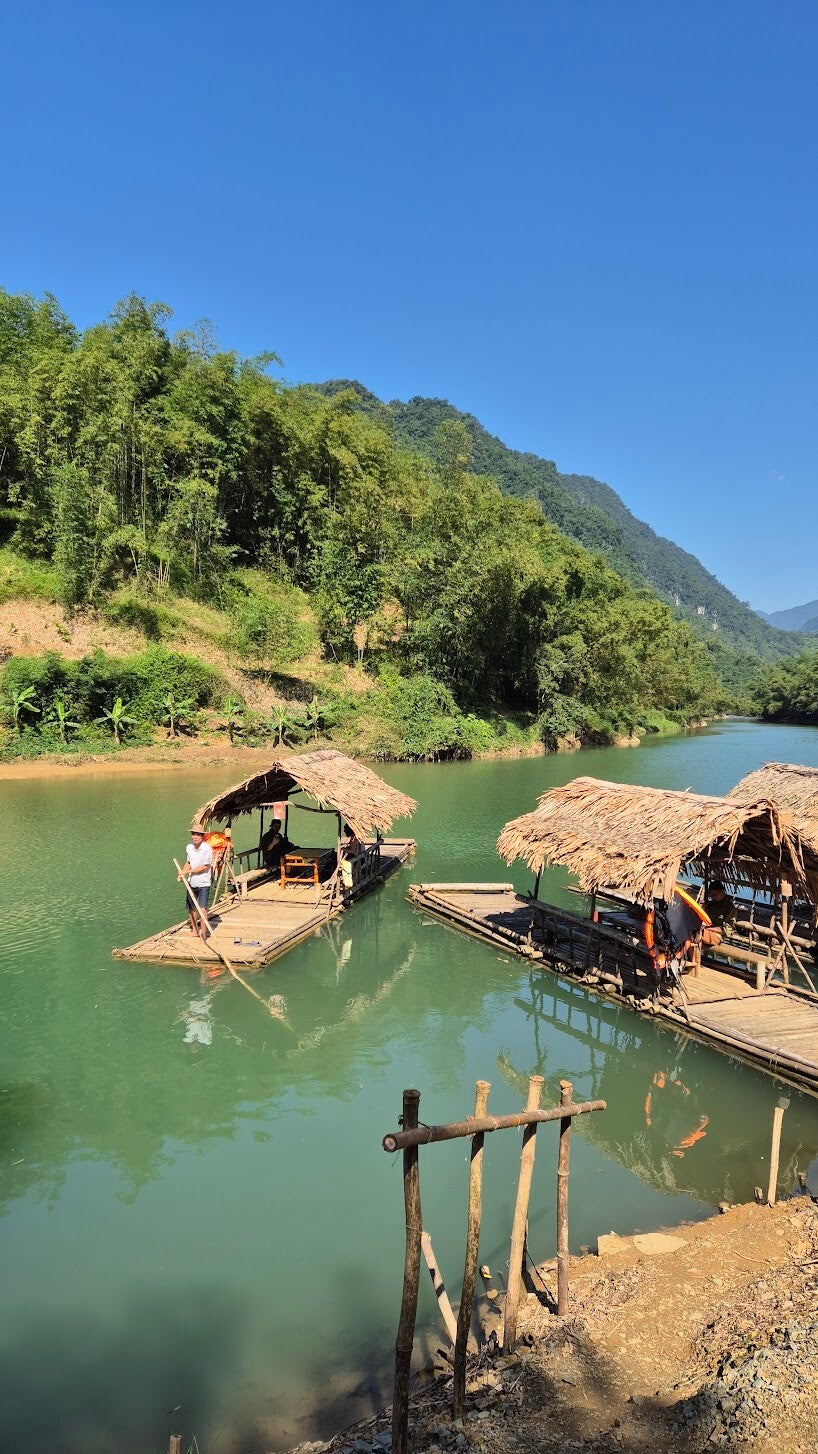
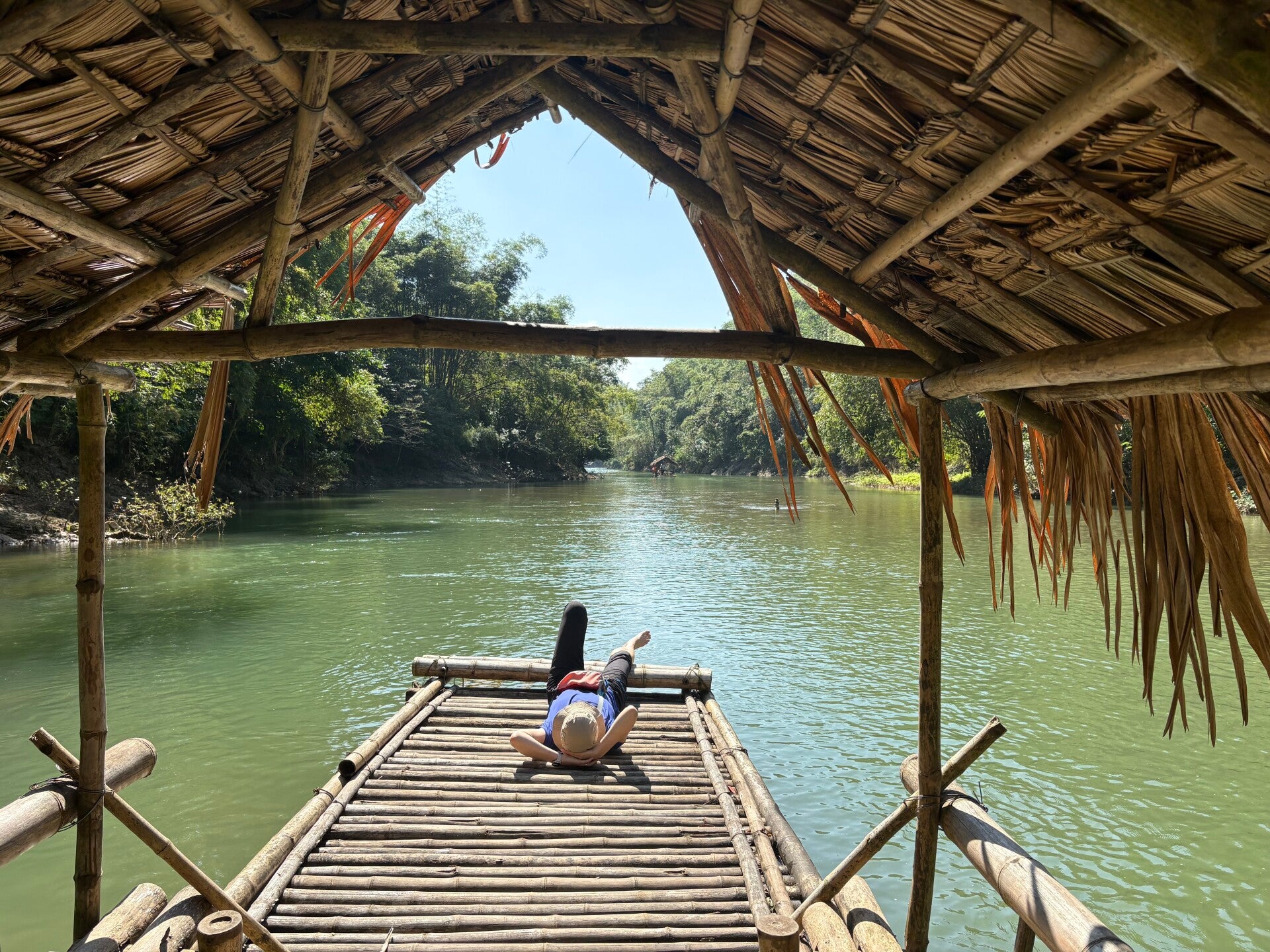
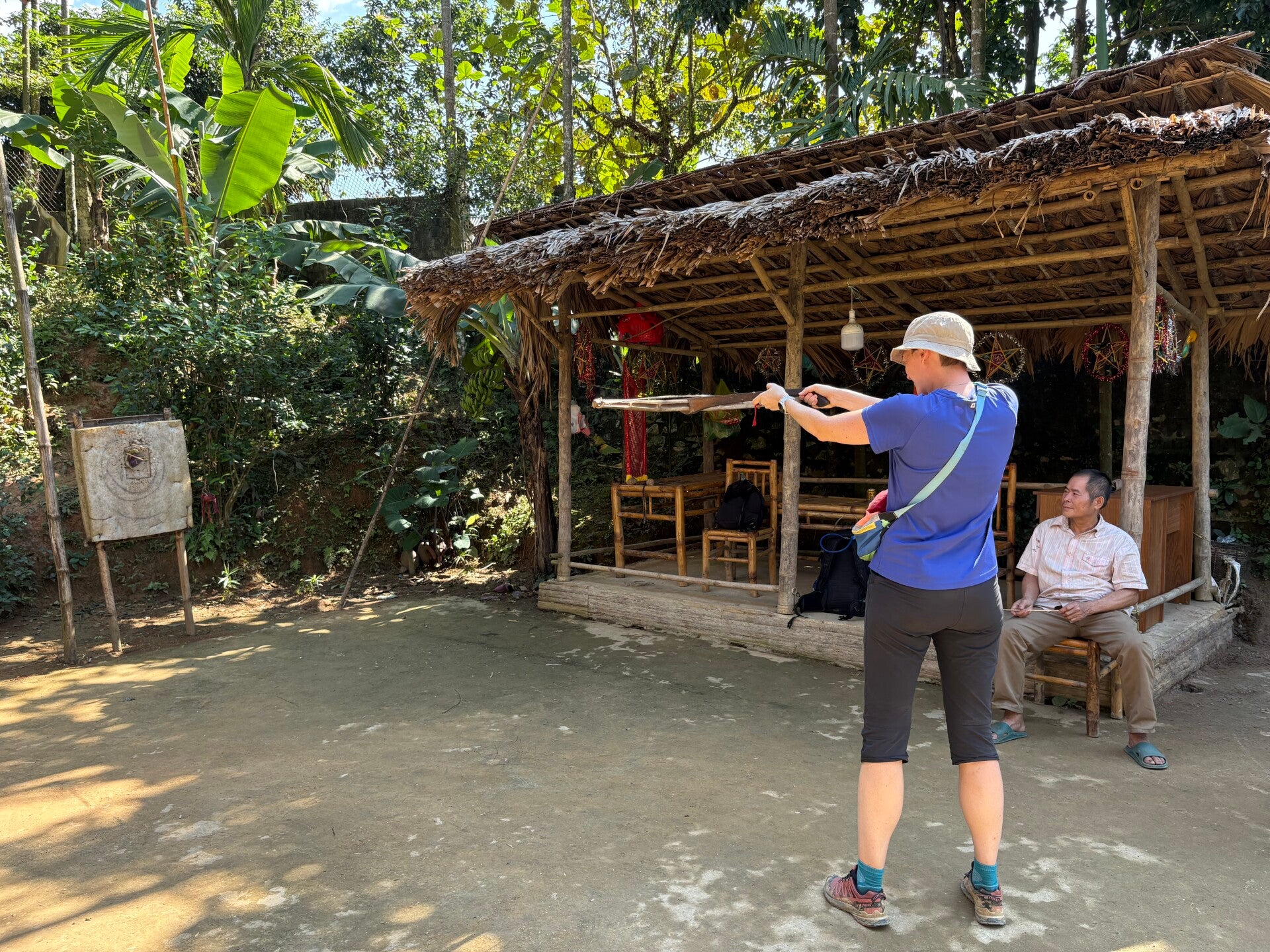
On the third day a bamboo raft carried us gently along the Pu Luong River before we visited an ancient stilt house, drank tea and played outdoor games with the family. Just as we settled into a leisurely lunch, Tiep announced we needed to leave early. Soon we were perched, backpacks and all, on the back of his wife’s motorbike, speeding along dirt tracks to meet our minibus. Never a dull moment.
The trek was humbling, challenging, and unforgettable. It offered a rare glimpse into rural life and reinforced how travel strips away assumptions, prompting gratitude for what you have while questioning what you truly need.



If You Go: Pu Luong
- Use a reputable local guide: this isn't a DIY trek. We recommend Puluong Eco Tours.
- Leeches!: Spray your footwear with insect repellent & expect mud, humidity and discomfort (fun!).
- Accomodation: Embrace the authentic, rural experience.
Tam Coc: Six Nights of Limestone Magic
Tam Coc’s limestone karsts and tranquil rivers captured us instantly. What was meant to be a brief stop stretched into six nights. Our brand‑new homestay was spotless, spider‑free, and reliably hot‑showered. Luxury, Vietnamese‑style.
We spent days cycling through rice fields, sampling countless coffee shops (finding the best salt coffee of the trip), hunting down healthy veggie food, and absorbing village life. The tranquil setting of our homestay encouraged us to slow down and follow the gentle rhythm of rural Vietnam.
We did one full tourist day: Mua Cave, a Trang An boat trip, and Bich Dong Pagoda. Like Japan, the crowds at major sites detracted from the experience. The climb to the dragon statue at Mua Cave was manageable, but the summit felt borderline dangerous with slippery rocks and hundreds of people jostling for photos. A brief wobble—Munro ‘crag‑fast’ style—reminded me why inexperienced crowds and heights don’t mix.
We chose Trang An over Tam Coc for our boat trip, expecting fewer people. Instead, it resembled a theme park, with long queues and flotillas of boats departing in fluorescent‑orange formation. Thankfully, once on the water it became peaceful, with caves, calm scenery, and cultural insights.
Visiting Bich Dong Pagoda at dusk proved magical. Almost deserted, softly illuminated, and eerily quiet, it felt like a privilege to wander the temples in near silence.
Our Tam Coc experience reinforced what we learned in Japan: we prefer being off the beaten track, but not so far that the showers are cold and the bugs relentless. Vietnam’s flexibility stood out too: extending stays, booking trips last‑minute, and changing plans was effortless. Cafés and restaurants being open all day, every day, didn’t hurt either.


If You Go: Tam Coc
- Accomodation: We loved My Tho homestay - clean, comfortable & a cracking breakfast.
- Getting Around: cycle the backroads for quieter scenery.
- Be flexible: Vietnam makes spontaneous travel easy.
- Food: Daisy & Rosie offers a range of healthy Western dishes - perfect for brunch .
Cat Ba Island & Lan Ha Bay: Trekking, Kayaking, and a Private Boat Tour
The coast beckoned next. On Cat Ba Island we trekked through the national park, lunched at a homestay, then cycled to the port for a boat into Lan Ha Bay. Kayaking through turquoise waters among towering karsts was a standout experience.
We splurged on a private boat with our new travel buddy, Caroline. Drifting through jade‑coloured coves, floating villages, and quiet inlets felt entirely worth it. More kayaking followed, along with a swim near a remote beach. Spotting rare langur monkeys clinging to the rocks at sunset was the icing on the cake. Our boat driver topped it off with incredibly strong, sweet coffee and a waffle‑like cake sourced from a floating home earlier that day.
Caroline joined us each evening at a delightfully incongruous Vegetarian Café with an impressively extensive menu—complete with chickpeas. We were sceptical, but almost everything was available, even if staff had to nip out and return with ingredients in a carrier bag. The young, charismatic waiter addressed us as Madam 1, Madam 2, and Madam 3, much to our amusement.
Our final day was spent on the beach, listening to lapping waves and watching the sun sink into the sea—a gentle preview of the Thai island life to come.


If You Go: Cat Ba
- Beat the crowds: choose Lan Ha Bay over Ha Long for a quieter experience.
- Boat trip: Go private for a calmer, tailored experince .
- Activites: Allow time for trekking and water activities. There are full day trips that incoporate both.
Cao Bang: Four Nights, Three Days on the Road in a Jeep
While many travellers tackle the Ha Giang Loop by motorbike, we opted for something quieter: Cao Bang, remote, under‑visited, and utterly spectacular. A two‑night, three‑day jeep tour took us through mountain passes, waterfalls, and jaw‑dropping scenery.
En route from Hanoi, we stopped at a roadside ‘service station’ for a 50‑dong buffet lunch, eating alongside locals. One friendly man struck up a conversation using solely Vietnamese but with the help of Google Translate we managed a highly amusing interaction:
Man: “Where are you going?”
Us: “Cao Bang.”
Man: “How old are you?”
Us “50 and 43.”
Man “Okay, bye.”
It was unclear whether I felt relieved or mildly offended.
Our guide, Quang Nghia (aka Light), and driver, Thang, began day one of the tour with a traditional Vietnamese breakfast: rice pancakes dipped in broth, eaten on tiny stools beside the road with the locals. Outstanding.
We drove through Ma Phuc Pass (Kneeling Horse Pass), named after a horse supposedly brought to its knees by the beauty of the mountains—somewhat relatable (it’s normally pain, exhaustion, and unfavourable weather that brings us to our knees in the Scottish mountains). We watched noodle‑making, visited Angel Eye Mountain, and grew confident enough to stand in the jeep as it raced through the scenery, to the bemusement of locals. Possibly not helped by Light donning a found army hat.
At Pac Bo Cave, where Ho Chi Minh once hid, we wandered beside the serene Lenin Stream. Our first night’s accommodation was stunningly located but entirely sound‑permeable, meaning we endured an intimate soundtrack from neighbouring rooms coupled with the persistent wardrobe-munching insect noises. Still slightly traumatised.
Day two delivered Ban Gioc Waterfalls, straddling the Chinese border. Thundering, majestic, and refreshingly uncrowded, they were a highlight. After viewing them by bamboo boat, we hiked up to Phat Tich Truc Lam Pagoda, offering devine views of the surrounding area. We could also see preparations were underway for an ultramarathon finishing at the falls. Given that I could barely complete a 5km in Tam Coc, I struggled to imagine appreciating the scenery after 100km in that heat.
After exploring Nguni Ngao Cave and chasing sunset through rice fields, we arrived at accommodation that pushed our limits. Filthy shower, lurid carpet, and suspicious wallpaper prompted a swift request to move. The alternative was cleaner but eerily empty, with dinner served in an equally deserted restaurant. All part of the adventure though.
Our final morning included banana pancakes and coffee in a cave, followed by a short hike up a karst with astonishing views: monolithic peaks, rice paddies, waterfalls, and a turquoise river winding through it all. Best of all, we had it entirely to ourselves.
Hands‑on activities followed: paper‑making, incense‑making, and sheafing corn, offering further insight into rural life—slow, purposeful, and physically demanding. Back in Cao Bang city, we stumbled upon Walking Street, where adults danced, kids performed routines, and everyone played games.
Cao Bang felt a world away from Hanoi. Peaceful, authentic, and unforgettable, though it did teach us exactly where our accommodation tolerance lies.


If You Go: Cao Bang
- Jeep or motorbike?: Highly recommend a jeep, just remember a face mask and warm clothes. Cao Bang Travel offer a variety of tours.
- Beat the crowds: Hardly any Western tourists visit this area currently. Same can't be said for Ha Giang.
- Accomodation: Be prepared to test your 'rustic' tolerance.
Final Nights in Hanoi: A Touch of Luxury and Local Colour
While sitting in that particularly grim Cao Bang room with the dodgy carpet, I declared myself ready for luxury. Within 30 minutes, Lee Ann had cancelled our £20‑a‑night homestay and booked a five‑star Hanoi hotel, further encouraged by my reminder of her unspent birthday money and the accompanying instruction from my mum to “treat herself”.
We revelled in soft beds, fluffy robes, city views, and a breakfast buffet worth waking up for. Best of all: using the bathroom without fear of disease.
We revisited a few Hanoi highlights: coffee at Note Coffee, the Vietnamese Women’s Museum with its powerful stories of resilience, and the famous Train Street, where a locomotive roared past inches from our table.
A standout moment came when a local teacher approached us, asking if her pupils could practise English. They were brilliant—curious, confident, and eager to learn. Watching locals exercise in wonderfully eccentric ways around the lake, and spontaneous group dances, added to Hanoi’s charm. On Saturday night, Walking Street brought mini BMWs, go‑karts, and frantic police interventions.
Hanoi welcomed us with chaos and sent us off the same way, full of energy and warmth.


If You Go: Hanoi
- Museums: Plenty of these in the city. We loved the Women's Museum. The audio tour is worth it.
- Train Street: This WAS worth the hype. Ask the locals about the train times, everything we found online was wrong.
- Local life: Wander round the lake in the mornings & evenings to get a real glimpse into Hanoi life.
Vietnam delivered the full spectrum of travel: comfort and challenge, cities and wilderness, connection and introspection. Leave space for the unexpected, pack light (but bring leech socks), and let the country’s warmth guide you.
We loved Vietnam. It felt freer and easier than Japan, yet equally distinctive, with awe‑inspiring scenery and a uniquely different way of life. After nearly three months on the move, we were more than ready for downtime on Thailand’s quieter islands. Next stop: Ko Libong.
Sabbatical Thoughts & Reflections
- Shaking off “the shoulds”. Each new destination brings pressure to do the famous thing. Often, these experiences disappoint after social‑media hype. Doing what you want— even if that’s just drinking coffee—is still travel. Aside from eating well and exercising, most “shoulds” can be discarded.
- Learning from different ways of life. Visiting developing countries highlights how much we take for granted: clean water, flushable toilets, convenience. Rural life may be harder, but it often offers purpose, movement, family connection, and tradition. Slower, but more deliberate.
- Food, glorious food. Eating tasty, healthy, nutrient‑rich food has become central to our happiness on this journey. Our shift towards plant‑based eating has shaped how we travel and what we miss most from home—aside from loved ones, of course.
Add comment
Comments
I've really enjoyed reading your blog. It was great to meet you both and share part of your journey and can't wait to read about Thailand.